Human-Built Beaver Dams Help Restore Struggling Streams and Local Ecosystems
Maria Torres · Union County Life
Environmental scientists and stream restoration specialists are turning to human-built beaver dams, known as Beaver Dam Analogues (BDAs), to revive degraded waterways, trap essential sediment, and recharge depleted underground water tables. The natural restoration technique offers an affordable, low-tech solution for communities working to repair eroded stream channels and boost local biodiversity.
Constructed using wooden posts, interwoven willow branches, and local mud, these artificial structures mimic the natural hydraulic benefits of wild beaver dams. Union County Life confirmed that BDAs slow down fast-moving water currents, allowing sediment to settle while spreading water into adjacent floodplains to create wetlands that act as natural buffers against severe drought and seasonal flooding.
Ecosystem researchers report that re-establishing these slow-water habitat zones encourages native fish species, amphibians, and waterfowl to return to previously dead stream corridors. In addition to ecological benefits, low-tech stream structures cost a fraction of traditional concrete engineering projects while delivering long-term environmental resiliency.
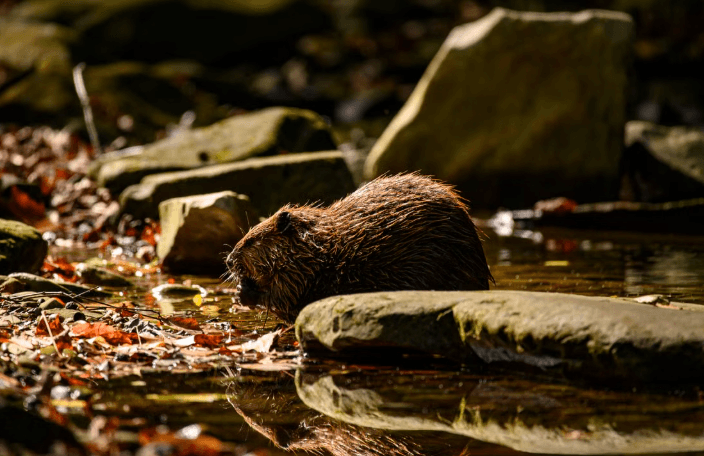
Conservationists emphasize that introducing artificial dams often attracts natural beaver populations back to local watersheds, allowing wildlife to take over long-term maintenance of the stream systems.
Hillside residents seeking information on local environmental conservation programs, watershed protection drives, or municipal green initiatives can contact the Hillside Environmental Commission or visit hillside-nj.org.
FAQ
Q: What is a Beaver Dam Analogue (BDA)? A: A BDA is a man-made structure built from wood posts and woven branches designed to mimic natural beaver dams and restore stream health.
Q: How do human-built beaver dams help prevent soil erosion and stream degradation? A: By slowing down water flow, BDAs trap sediment behind the structure, raising the riverbed elevation and reconnecting streams to surrounding floodplains.
Q: Do artificial beaver dams attract real beavers back to the area? A: Yes, BDAs create deep, slow-moving pools and wetland vegetation that attract wild beavers to return and maintain the habitat naturally.
Get Union County news in your inbox
Subscribe for local headlines, town updates, and community stories from across Union County.
Sign up for the newsletter